
Rodent exclusion: compare the scope before the price
Rodent exclusion should identify how animals enter and what will be sealed or repaired—not only where traps or bait will be placed. Compare written entry points, materials, access areas, removal, follow-up, and warranty terms.
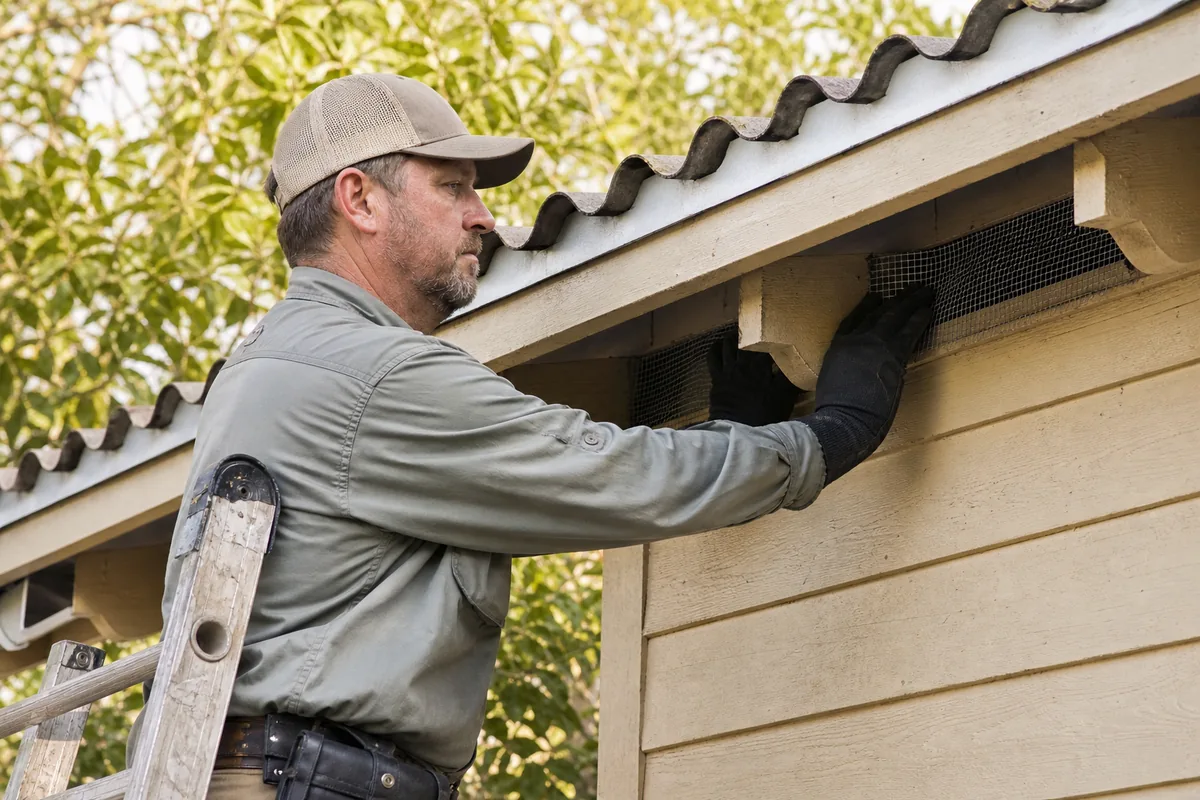
What a complete scope can include
- Inspection: interior, exterior, roofline, attic, crawl space, garage, and utility penetrations where accessible and relevant.
- Entry-point map: specific locations, evidence, and photos rather than “seal the house.”
- Exclusion and repairs: materials, closures, vent or door work, and which building repairs are included.
- Removal: trapping or other removal methods, placement, monitoring, and disposal.
- Sanitation: whether droppings, nesting material, odor, or contaminated insulation are included or separately priced.
- Follow-up: recheck dates, trap visits, new-activity response, and closure verification.
CDC guidance emphasizes finding and sealing gaps and also checking how rodents got inside before trapping. A proposal containing only trapping may leave the entry route unresolved.
Compare proposals line by line
| Scope item | Included? | Written detail to request |
|---|---|---|
| Inspection areas and inaccessible areas | Yes / no / separate price | Location, quantity, material, timing, or responsibility |
| Entry-point list and photographs | Yes / no / separate price | Location, quantity, material, timing, or responsibility |
| Sealing materials and repair locations | Yes / no / separate price | Location, quantity, material, timing, or responsibility |
| Trapping/removal and number of visits | Yes / no / separate price | Location, quantity, material, timing, or responsibility |
| Sanitation, insulation, and deodorizing | Yes / no / separate price | Location, quantity, material, timing, or responsibility |
| Follow-up inspection and closure check | Yes / no / separate price | Location, quantity, material, timing, or responsibility |
| Warranty length, response, and exclusions | Yes / no / separate price | Location, quantity, material, timing, or responsibility |
Entry points and repair quality
Ask who is responsible for roof, attic, crawl-space, door, vent, siding, plumbing, and utility-line openings. CDC notes that mice can fit through a gap about the width of a pencil; the practical point is to inspect small gaps as well as obvious damage.
Request materials and before/after photos. Exclusion is not the place for an unexplained “foam everything” promise: the appropriate material and repair depend on the location and building condition.
Removal, safety, and follow-up
Ask what happens to animals already inside when openings are closed, how many return visits are included, and what evidence will be checked. If traps are used, placement should account for children and pets. Cleanup of rodent contamination requires appropriate safety precautions; do not turn a pest quote into an unexplained cleaning allowance.
Warranty questions that change the comparison
- Which entry points and species are covered?
- Does the warranty include labor, materials, return visits, or only inspection?
- What owner maintenance, roof work, tree trimming, or other conditions can void it?
- What happens if new activity appears in an area originally marked inaccessible?
- How is a warranty visit requested, and is there a response-time commitment?
Rodent exclusion proposal checklist
0 of 9Mark items locally as you work. Your selections are not sent anywhere.
Prepare a provider request or browse company contacts. No exclusion provider has passed our current service-verification gate.